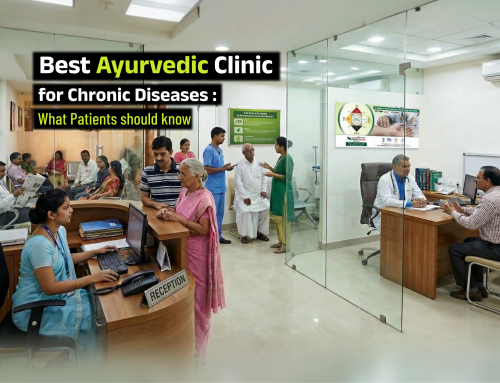
Every day, Mr Harsha goes out for a morning walk. While walking, he exchanges “good morning” with the neighbours. Those morning walks keep him fresh and energetic throughout the day. But for the past two weeks, something has gone wrong. Every time he walks, he can feel a sharp pain around his knee. At first, he thought it would heal in two days. After a few days, his Doctor told him that it was Arthritis.
Every morning, Mita Devi wakes up with stiffness in her knees. Before doing anything, she reaches for a painkiller. Her appetite is gone, and her mood worsens because of the pain and swelling in her legs. Doctors suggested knee replacement surgery. But the cost is high and the recovery too uncertain.
Not only Mita Devi, today people in their 30s or 40s are getting affected by joint pain, swelling in legs, stiffness and difficulty in movement. For temporary relief or with no other choices, some people depend on painkillers. But the important questions remain unanswered:
ADS FOR TESTADS FOR TESTADS FOR TESTADS FOR TESTADS FOR TESTADS FOR TEST
- Why does the pain recur?
- Is reducing pain alone enough?
- Why does the pain and stiffness worsen with seasonal changes?
- Is there any long-term and natural solution to stay pain-free?
Ayurveda, the ancient system of medicine, always focuses on natural healing methods, maintaining the balance of Doshas. Instead of suppressing the symptoms, Ayurveda finds and treats the root cause of imbalances.
Understanding Joint Pain and Arthritis in Ayurveda
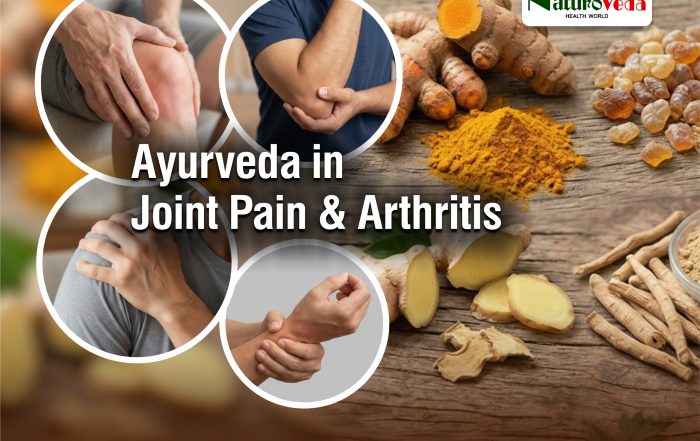
Arthritis is often referred to as Sandhivata in Ayurveda. It is triggered by the accumulation of toxins in our body and aggravated Vata in the joints. Poor digestion, irregular diet, lack of physical activity, sedentary lifestyle and stress are the primary reasons for toxins to build up in the body. When these toxins accumulate in the joints, it causes Joint Pain.
Common Symptoms of Joint Pain and Arthritis
- Persistent joint pain
- Stiffness in the joints
- Visible swelling around the knee or other joints
- Reduced flexibility and range of motion
- Warmth in the affected area
Why Your Joints Hurt? The Role of “Vata” Dosha
Vata dosha is primarily made of air and space. It represents movement in the body. If Vata gets aggravated, it increases dryness. Dryness leads to the loss of synovial fluid or the joint’s natural oil. Then, what is the connection with digestion and joint pain? Improper digestion is a reason for toxin build-up in the joints. Accumulation of toxins in the joints causes inflammation. When a crackling sensation occurs along with stiffness and sharp pain, it may indicate Arthritis.
Core Ayurvedic Treatment for Arthritis
Ayurvedic treatment for Arthritis focuses on reducing inflammation, balancing Vata Dosha and detoxifying the body through personalised herbal remedies, lifestyle changes, proper dietary routine, Yoga and Panchakarma therapies.
Herbs that may help improve Digestion
Some major Ayurvedic herbs and spices that enhance digestion-

- Ginger
- Fennel
- Triphala
- Cumin
- Ajwain
- Amla
- Hing
Dietary and Lifestyle Modifications
For maintaining digestive health, Ayurveda emphasises proper diet and lifestyle adjustments as per the Dosha’s requirement.
Vata-Pacifying diet: For people suffering from Vata disorders, Ayurveda generally recommends them to consume warm, freshly cooked and moist foods which are easy to digest. Cold, dry and raw foods aggravate Vata.
Pitta-Pacifying diet: Ayurveda generally recommends avoiding spicy, oily and fried foods to balance excess Pitta. Cooling foods like cucumbers, leafy greens, melons, gourds, coconut water and milk are ideal for managing Pitta.
Kapha-Pacifying diet: Light, dry and warm foods are ideal for people who have Kapha disorders. Ayurveda suggests them to avoid heavy, greasy and dairy items. To stimulate digestion, people with Kapha disorders should focus on light, dry and warm foods.
Mindful Eating: Ayurveda emphasises the importance of enjoying food peacefully. It is better to avoid any kind of distractions, like watching TV or excessive conversation, while eating. As per Ayurveda, it is always better to eat five smaller meals throughout the day rather than three large meals. Remember to chew your food properly and take your time.
Abhyanga
Abhyanga is a full-body warm oil massage, a self-care ritual to improve blood circulation. Several dosha-specific oils, like sesame, coconut and castor oils, are applied to the limbs. It is recommended to learn about the oils and strokes from an experienced Ayurvedic practitioner for fruitful results.
Benefits of Abhyanga:
- Improves blood circulation
- Lubricates joints
- Reduces stiffness
- Relieves stress
- Improves sleep quality
- Calms the nerves
Herbal Remedies for Joint Pain and Arthritis
Ayurveda offers a wide range of herbal remedies to improve movement, regulate blood circulation and boost joint flexibility.
Shallaki: Shallaki or Boswellia serrata prevents inflammatory enzymes and reduces joint swelling.
Guggulu: Guggulu or Commiphora mukul is a powerful herb that detoxifies the body and promotes joint health.
Ashwagandha: Ashwagandha is rich in phytochemicals and adaptogenic properties that soothe nerves, manage stress by lowering cortisol and improve sleep quality. It also strengthens muscles by reducing inflammation.
Yoga for Arthritis
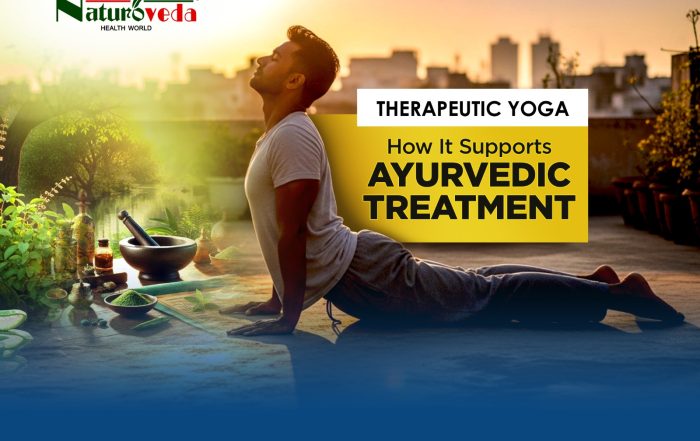
Remember, movement is medicine. Gentle Yoga, like Tadasana, Vrikshasana, free-hand exercises like joint rotations, may improve joint mobility and strengthen the joints. Even a brief 15-minute walk can improve mobility.
Enjoy Natural Healing with Disciplined Ayurvedic Treatments
True healing in Ayurveda is not a “quick fix” but a commitment to a proper routine that aligns the body and balances the doshas. Consult an experienced Ayurvedic practitioner to find the specific routine that works for your unique “Prakriti” or body type.
Naturoveda Health World in Kolkata, with over two decades of Ayurvedic, Unani and Yoga experience, is treating more than 7.5 lakh patients. Their integrated treatment methodology comprising Fundamentals of Ayurveda, Potentised Unani and Therapeutic Yoga is effective in treating the root cause of chronic conditions rather than focusing only on temporary relief. Moreover, they offer both in-clinic consultations and modern teleconsultation services, which are helpful for those who can’t consult expert Ayurvedic Doctors physically due to mobility issues.
About the Author:
About the Author:

Vestibulum ac diam sit amet quam vehicula elementum sed sit amet dui. Donec rutrum congue leo eget malesuada vestibulum.