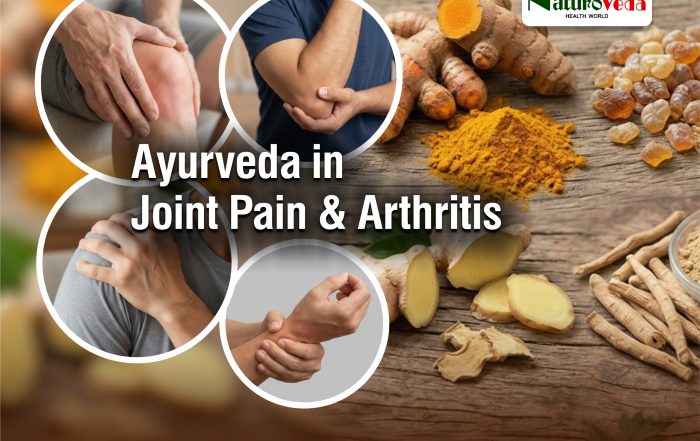
Osteoarthritis is the most common term these days; you won’t find a single home where someone isn’t suffering from Osteoarthritis. From middle-aged adults to the elderly, almost everyone seems to be struggling with the effects of arthritis. Joint pain, stiffness, and lack of mobility are the common symptoms of this disease. Honestly, no one wants to spend their life in pain. Yet, for many people who are suffering from this condition, it is a constant aching struggle.
What is Osteoarthritis
Arthritis is a condition that damages the joints, specifically the joints where two bones meet, such as the knees, ankles, hips, wrists, and knuckles. As a result, discomfort and pain occur. The severity of this pain may vary from mild to extreme.
Types of Arthritis
Osteoarthritis: Commonly known as “Wear and Tear” Arthritis.
ADS FOR TESTADS FOR TESTADS FOR TESTADS FOR TESTADS FOR TESTADS FOR TEST
Rheumatoid Arthritis: An autoimmune disease in which the immune system of the body mistakenly attacks the joints.
Gout: It causes strong uric acid crystals to form in our joints.
Ankylosing spondylitis: It is an autoimmune disease that affects joints near the lower back.
Psoriatic Arthritis: People who are affected by Psoriasis generally get affected by this.
Juvenile Arthritis: Kids and teens who are younger than 16 generally get affected by this.

Reactive Arthritis: A condition that occurs after an infection in another part of the body.
Symptoms and Causes:
Some of the common symptoms of Osteoarthritis are given below:
- Joint pain
- Swelling in the joints
- Stiffness in the affected joints
- Decreased range of motion
- Redness and warmth around the joint
- Fatigue
- Difficulty in movement
Causes of Osteoarthritis
- Ageing: As people grow older, the risk increases.
- Obesity: Excessive weight increases pressure on the joints and may destroy cartilage.
- Joint Injuries: Injuries from accidents or sports may lead to Osteoarthritis.
- Genetics: Some hereditary factors increase the risk of Osteoarthritis.
Risk Factors:
Some risk factors may make you more likely to suffer, including:
- Tobacco Consumption: Smoking and other tobacco products aggravate the condition.
- Activity level: A sedentary lifestyle significantly increases your risk of osteoarthritis.
- Females are more likely to suffer from this condition than men.
- Improper posture, like standing, sitting, or crouching for a long time, may put a lot of stress on the joints.
Ayurvedic Perspective on Osteoarthritis:
According to Ayurveda, Osteoarthritis is commonly termed as “Sandhivata”. Sandhi means joints, and Vata is referred to as “inflammation”. As the name implies, due to the aggravation of Vata dosha, the condition occurs and often leads to joint pain, stiffness, degeneration and crepitus.
How does Vata Imbalance occur?
To understand that, first, we need to understand the concept of “Vata.”
Vata is the energy of movement, and it is composed of two elements -Air and Space. Vata embodies movement, coldness, dryness and lightness. Both physical and mental characteristics of Vata are given below:
Physical Characteristics:
- Body Type: Generally, they are slim and thin and hardly put on weight.
- Skin & Hair: Characterised by coldness and dryness, skin may feel rough to the touch. Hair tends to be frizzy and prone to brittleness.
- Energy and Digestion: Energy levels do fluctuate; weak appetite, unpredictable digestion, and low stamina.
- Sensitivity: High sensitivity to cold, windy weather.
Mental and Psychological Traits:
Personality: Generally enthusiastic, creative, lively and adaptable to new situations.
Intellect: Fast-thinking, artistic, intellectual, and excellent communication skills, but may likely to tend overthinking.
Emotions: when out of the box, may feel anxious, overwhelmed, and nervous.
Behaviour: Often feel energetic and talkative, yet may follow inconsistent daily routines and feel restless.
Now, let’s concentrate on how the Vata imbalance may happen:
Improper Digestion: Improper digestion leads to Ama (toxins) building up in the body, which circulates in the body and accumulates in the joints. As a result, it triggers an immune response and inflammation.
Dietary Factors: Some foods can aggravate Vata imbalance for individuals with a Vata-dominant constitution.
- Dry and Raw foods: Dry cereals, large amounts of raw salads and vegetables, crackers
- Cold items: Iced drinks, cold beverages and meals
- Irregular eating: Skipping meals or eating on an irregular basis
Lifestyle Triggers:
- Excessive movement: Frequent travel, over-exercising, overexertion
- Irregular routine: Having an unpredictable work routine or taking rest at different times
- Sensory-rich environment: Prolonged exposure to loud noises, bright screens, and flickering lights
- Seasonal changes: Cold, dry and windy weather
Mental and Emotional Stress
Vata rules our nerves; mental well-being is inseparable from physical balance.
- Stress and Anxiety: Chronic stress, anxiety, and overthinking can physically trigger the Vata imbalance that leads to systemic instability.
- Psychosomatic Manifestation: Continuous fear and anxiety work as internal stressors that manifest as physical Vata disturbances.
How to Balance Vata to Protect Your Osteoarthritis
- Try to maintain a productive, stable and consistent routine.
- Drink warm beverages and eat warm, cooked food.
- Try to eat smaller meals more frequently to support optimal metabolic function.
- Include plenty of good fats in your diet.
- Try to engage in moderate physical exercise.
- Take plenty of rest to avoid overthinking.
- Get regular oil messages to moisten your skin.
Ayurvedic Strategies in Managing Osteoarthritis
Ayurvedic treatment for Osteoarthritis is a holistic approach to balance the doshas, remove the accumulation of toxins, nourish the joints and improve overall vigour and vitality. Each treatment plan is individualised and depends on the unique body constitution. It involves a combination of detoxification therapies (Panchakarma), herbal remedies, exercises, external applications and dietary routine.
Detoxification Therapies or Panchakarma
Panchakarma aims to cleanse the toxins from the body and restore balance to the doshas. These include five actions:
1) Basti: According to Ayurveda, “Basti” is considered the mother of all treatments for Vata. Since our gut is considered the primary location of Vata, using medicated oils or decoctions here treats the problem from its core area. It includes:
- Anuvasana Basti: To lubricate the system internally, medicated oil is used.
- Niruha Basti: To flush out the deep-rooted toxins, herbal decoctions are used.
2) Virechana
Virechana aims to cleanse the body and remove the accumulated toxins through the administration of herbal laxatives and lifestyle restrictions.
3) Nasya
Medicated drops are given through the nose. The main purpose of it is to eliminate sensory overload, including tension, anxiety and neurological strain.
4) Vamana
Although Vamana is mainly administered for Kapha disorders, it is helpful in heavy swelling.
5) Raktamokshana
The therapy is used to treat severe inflammation and joint pain by purifying the blood.
Herbal Remedies for Osteoarthritis
Some Ayurvedic herbs that are widely used to manage osteoarthritis are given below:
- Guggul: It is the most effective and powerful anti-inflammatory herb in Ayurveda. Guggul helps reduce joint pain and swelling.
- Ashwagandha: Ashwagandha is an adaptogenic herbs that help reduce stress, enhance muscle strength and nourish the joints. Overall, it improves mobility by pacifying Vata.
- Shallaki: Shallaki has strong anti-inflammatory properties that slow down cartilage degeneration.
- Turmeric: Turmeric contains an effective anti-inflammatory compound – curcumin that helps block inflammatory cytokines and enzymes. It is recommended to consume it with a pinch of black pepper.
- Nirgundi: Nirgundi contains potent anti-inflammatory and Vata-pacifying properties that reduce joint pain, stiffness, and manage chronic joint issues.
- Punarnaba: As per Ayurveda, this herb is known as “Shothaghni” (eliminates swelling). The herb is also analgesic in nature, thus it reduces osteoarthritis-related pain.
- Moringa: Moringa is loaded with anti-oxidants, vitamins and essential minerals that help lower fluid retention, swelling, cell-damage, and joint pain.
Every individual’s body constitution and dosha balance are unique. One should take the herbal remedies under the proper guidance of a qualified Ayurvedic practitioner. The best herb for osteoarthritis should be selected after knowing the temperament through ‘Nadi Parikshan’.
Diet for Osteoarthritis
One can manage the symptoms of osteoarthritis by taking and avoiding certain foods. It not only helps manage the osteoarthritis symptoms, but also other diseases associated with this condition can be tackled too.
What is inflammation
What is inflammation? We have experienced minor injuries at some point in our lives, such as hurting other parts of our bodies. Most of us have suffered from a sore throat or a tonsil infection. At these times, we notice some common symptoms like redness, swelling, pain in the affected area and a feeling of warmth. In some cases, it often leads to fever also.
All of these are signs of inflammation. Inflammation can be classified into two types: acute and chronic.
Acute inflammation happens when our body’s natural healing process or immune system responds to injury, illness or infection and gradually resolves in its own way.
Systemic inflammation generally affects the whole body, and due to the weakened immune system, the inflammation persists for more than 2 to 3 months or even years.
Foods that cause inflammation:
- Red meats, processed meats, processed food items
- Packaged foods like cakes, pies, cookies, brownies, chips
- White flour and trans fats
- Foods that are high in added sugar, like candy, jelly, syrup, and sauce
- Sugar-sweetened beverages like soda, canned tea, and sports drinks
Anti-inflammatory foods:
- Foods that are rich in Omega-3 -Fatty fish – Hilsa, Indian Salmon, Seer fish, Bombay Duck, Pomfret, Sardines, etc.
- Indian freshwater fish with Omega-3, like Katla, Rohu, Basa, Bhetki or Asian Seabass
- Colourful fruits and vegetables enriched with anti-oxidants -Berries, legumes, oranges, leafy greens, tomatoes
- Healthy fats like almonds, walnuts, yoghurt, chia seeds, flaxseeds, sesame, etc
Things to avoid
– Sugar
– Saturated Fats and Red Meat
– Refined Carbs
– Alcohol and Smoking
– High-sodium Foods
– High-impact Exercises
– Prolonged Sitting or Standing
– Sedentary lifestyle
Things to do
– Drink enough water to keep your joints lubricated and strengthen overall immunity.
– Do light stretching every day to keep your joints flexible.
– Maintain proper posture – seek proper guidance on how to sit, stand and move properly.
– Know your limits and balance your activity.
– Maintain a healthy weight.
– Use supportive aid if needed.
– Stay consistent with regular sleep, healthy eating and stress management
– Try hot and cold therapy under the proper guidance.
– Make sure you get enough sunlight to maintain vitamin D levels.
Arthritis Related Myths
Do citrus fruits aggravate inflammation?
As acidity is inflammatory, some people often think that they should avoid eating citrus fruits. But, many citrus fruits are enriched with antioxidants and vitamin C that prevent osteoporosis by boosting collagen production.
Does eating dairy products cause inflammation?
Some people claim that avoiding dairy products can help manage osteoarthritis. As per Ayurveda, drinking warm milk with a teaspoon of ghee acts as a natural lubricant for stiff joints. In fact, a 2018 study published in PubMed Central found that people who consumed a sufficient amount of full-fat dairy and Dutch cheese were less affected by knee osteoarthritis.
Why Choose Naturoveda Health World
Osteoarthritis is a progressive condition, but understanding the early signs, maintaining a balanced diet, staying physically active, managing weight, and taking proper medication, one can enjoy a pain-free life.
Naturoveda Health World, one of the best Ayurvedic clinics in Kolkata, has successfully treated more than 7.5 lakh patients. Naturoveda’s integrated treatment approach, with the combination of Fundamentals of Ayurveda, Potentised Unani and Therapeutic Yoga, has brought smiles to the faces of lakhs of people. Naturoveda Health World is reckoned as the best clinic for joint pain, which includes all types of joint pain. Those who were once traumatised by the joint pain have become an inspiration to others. This transformation has been made possible under the expert leadership of Naturoveda Health World’s Chief Medical Director, Dr K. M. Saifullah, along with his dedicated and experienced team. Dr K. M. Saifullah is an expert in treating patients suffering from joint pain; it may be degenerative arthritis like osteoarthritis, or inflammatory arthritis like rheumatoid arthritis or ankylosing spondylitis, so he is considered the best doctor for joint pain.
Frequently Asked Questions
1) Can osteoarthritis be cured?
Osteoarthritis is a condition that can be managed effectively through medication, yoga and exercises, proper diet and lifestyle corrections. There is no complete cure for osteoarthritis.
2) Are Ayurvedic treatments effective?
Definitely! Ayurvedic treatments like herbal remedies, oil massages, yoga and exercises, and Panchakarma therapies can help reduce pain, stiffness and improve joint function. As Ayurveda believes in “prevention is better than cure”, one should consult a certified Ayurvedic expert at the earliest.
3) When should I consult a practitioner?
You should immediately consult a doctor if you notice:
– Joint pain persists for more than 2-3 weeks
– Joints and muscles are stiff, especially in the morning and at night
– Movement becomes difficult
About the Author:
About the Author:

Vestibulum ac diam sit amet quam vehicula elementum sed sit amet dui. Donec rutrum congue leo eget malesuada vestibulum.